Will Software Survive? Plus: multi-agent systems, new Claude models, and more


As always, a whole lot has happened in the AI world since the last newsletter went out. Let's try to do a quick catch-up!
First, in Software Survival 3.0, Steve Yegge (of Beads and Gas Town fame/infamy), argues a hopeful case for the future of software engineering as a discipline and industry. He discusses 6 levers that can continue to get customers to use your tool instead of building their own in the age of AI. A necessary read for any SaaS operator or engineer trying to figure out what life looks like in the next year.
Are you building multi-agent systems yet? They're the new hotness, and people are using them for everything from context management to separation of concerns to avoiding the lethal trifecta. Which multi-agent architectures work best? That is what a team at Google set out to analyze in Towards a Science of Scaling Agent Systems by evaluating several canonical multi-agent designs (and one single agent) against four different benchmarks.
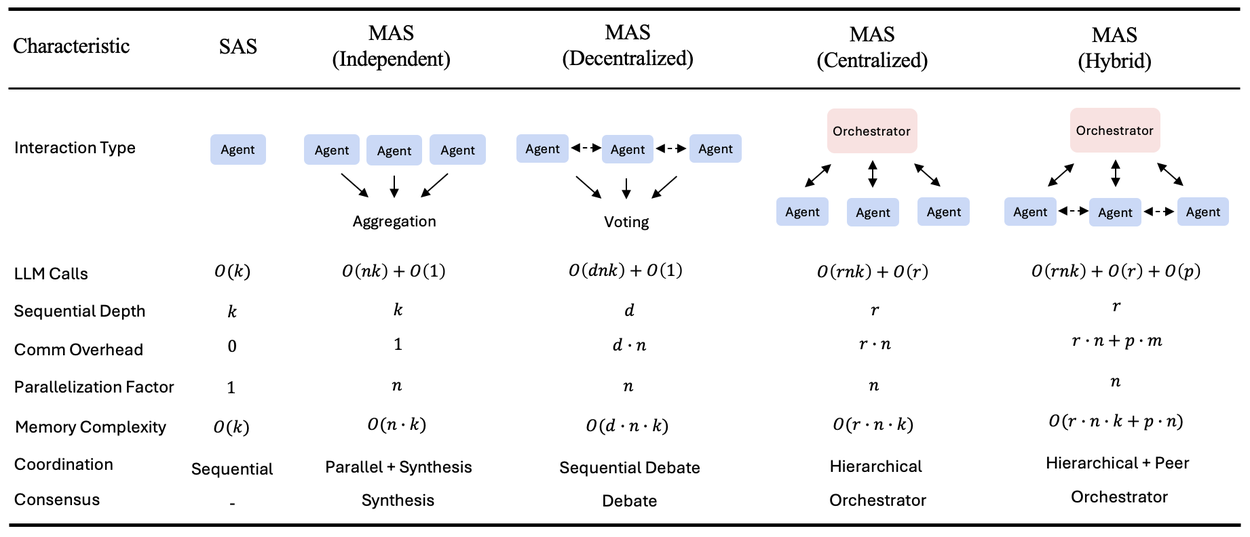
Even more interesting is that this research resulted in a model that can predict the optimal architecture given a task's properties.
Like what you see? Want to hire me on your AI, data, or writing project? Click the button below to learn about what services I offer through Stratis Data Labs.
I always seem to put a newsletter out when I have a new chapter of AI Agents with Model Context Protocol available in early release, and this one is no different. The latest chapter is Chapter 7, which is a deep dive into testing, securing, and sharing your MCP servers.
From my conversations with developers, SREs, DevSecOps folks, and others, this might be the single most important chapter of the book. Security is tantamount to any enterprise rollout of a technology, and MCP's early strides were seen as lacking.
There is still a dearth of material (and, even worse, best practices) on security around AI agents on their own, as well as with MCP. I hope that this chapter does the subject justice and becomes your go-to guide to developing safe MCP servers. If you're an O'Reilly Learning Platform subscriber, you can check it out at the link below:
 Kyle Stratis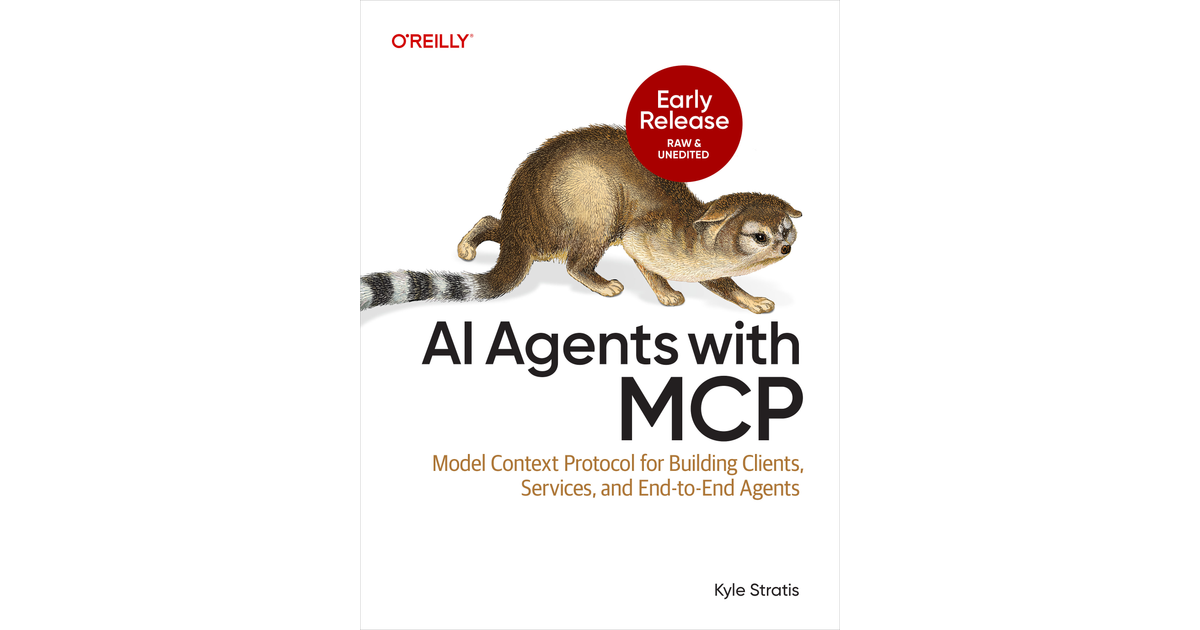
Anthropic has been cooking lately. It released both Sonnet 4.6 and, more recently, Opus 4.6. Both perform admirably on benchmarks, but more importantly, they do feel more capable than 4.5, to the point you could probably replace your old Opus 4.5 usage with Sonnet 4.6 and not see too much of a quality dropoff, if any at all.
They also released Claude Remote Control as a research preview. This might be my new favorite tool, even if it was a bit slow in my testing. It allows you to pick up Claude Code sessions remote from the machine you have Claude Code running on, such as on Claude Mobile or Claude Web. I love this because I can now ensure my agents continue to work when I'm not.
Now, it's back to packing for my annual 2-month stay in Greece, this time as a full-fledged citizen of the Hellenic Republic!